
All You Need to Know About the 6 Common Sheet Metal Forming Processes
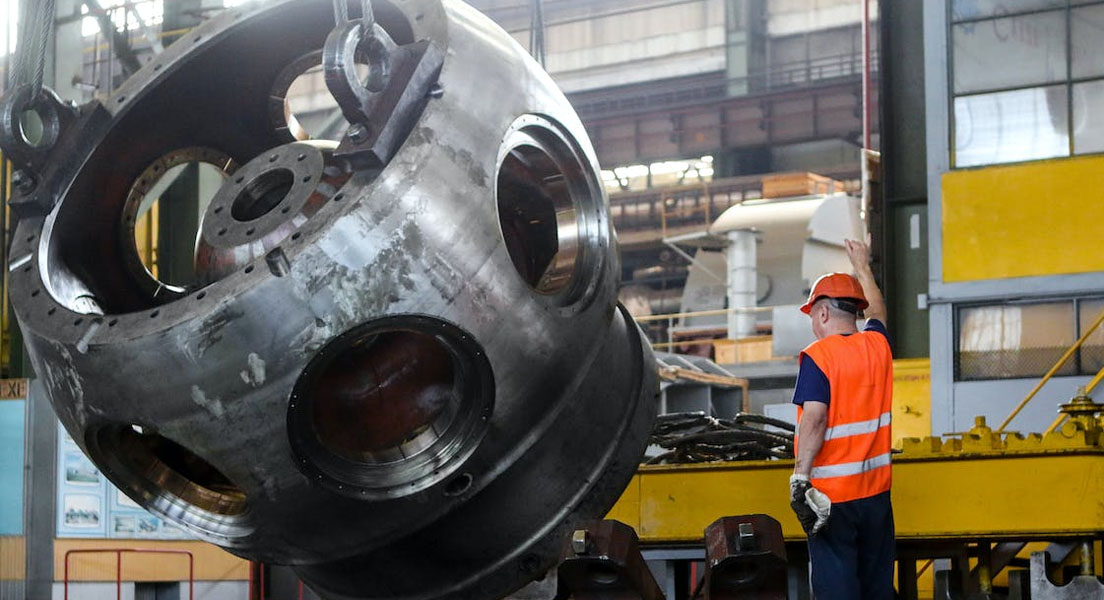
The sheet metal forming process is a critical component of the fabrication and manufacturing of parts and components. It involves reshaping a metal while it is still in its solid state, which can be done through cold forming without heating or melting the material first. Today, we will discuss 6 common sheet metal forming processes that are used today, such as bending, curling, ironing, laser cutting, hydroforming, and punching.
Bending is one of the most common sheet metal forming processes. This process involves pushing one edge of a sheet of material to create an angle or curve along the surface. By adjusting the parameters of this process such as the temperature and pressure applied to the material, different shapes can be created. Bending is used to create complex shapes with multiple bends in them.
Curling is another popular sheet metal forming process that involves rolling up or wrapping portions of material around a mandrel or die tool to achieve a desired shape. It is often used for creating curved edges on flat materials or even for creating cylindrical shapes from flat sheets. The amount of force needed to perform this process depends on the thickness and type of material being curled.
Ironing is also an important part of sheet metal forming processes since it can help reduce stress in materials during fabrication. This process involves applying heat and pressure simultaneously to stretch out portions of a material in order to flatten them out or eliminate wrinkles caused by other shaping methods like bending or curling. Ironing can also help prepare materials for more complex operations such as welding or soldering by making them more malleable before they are worked on further.
Laser cutting is another popular method used when performing sheet metal forming processes due to its precise nature and accuracy when cutting materials into intricate shapes with greater ease than other methods allow for. Laser systems use high-powered lasers which are directed at a piece of material in order to cut it into any shape imaginable with very little waste compared to traditional methods like punching or sawing away at materials manually with hand tools or machines.
Hydroforming is another type of sheet metal forming process that utilizes hydraulic pressure instead of mechanical force in order obtain desired shapes from pieces of metals without having to weld them together first as would normally be required if using other methods like bending or curling alone were employed instead. Hydroforming uses either water-based fluids or gas-filled chambers in order pressurize large areas at one time so that they conform into specific shapes which have been programmed into the machine beforehand using CAD software programs like Autodesk Fusion 360 Ultimate Edition. Hydroforming has many advantages over traditional sheet metal working techniques such as being able to produce complex parts quickly and inexpensively without having any scrap left over after production runs are completed.
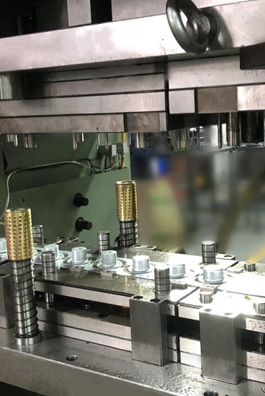
Finally there’s punching which works by driving specially shaped punches (or dies) through sheets of metals in order cut out desired shapes from larger pieces rather than having them bent into form from within their current state like what occurs when other methods like curling are used instead. Punches come in several different sizes depending on what size hole needs to be cut out from within a piece but generally speaking smaller punches tend work better for larger holes while larger punches tend work better for smaller holes respectively due their ability generate more concentrated amounts pressure at one time. Punching also tends be relatively cheap compared other types fabricating so it’s often favored over more expensive options when cost efficiency matters most although some setups may require certain specialized tools if they’re particularly complex projects.
Knowing about these 6 common sheet metal forming processes can make all the difference when you’re looking for ways fabricate parts efficiently without compromising quality too much along way either due lack knowledge available resources available right now today - GLORY Machinery provides one-stop custom solutions fabricate almost anything imaginable using only best practices possible ensure highest possible satisfaction clients! Contact us today find out what we can do you!

If you have any inquiry,please contact: