
The Process Of Sheet Metal Fabrication
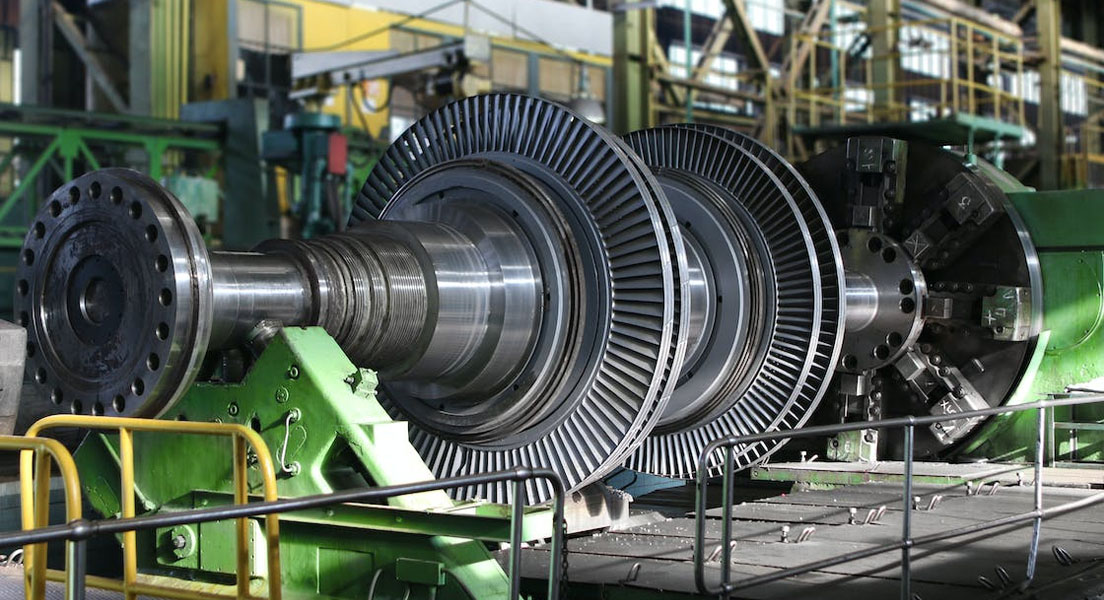
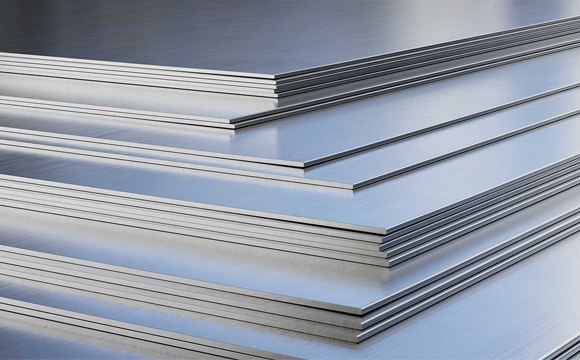
The process of sheet metal fabrication involves several manufacturing techniques to cut, form or join metals into custom parts and components that are further used in a wide range of applications. Whether building complex structures and advanced machinery, or standard tools and equipment, the process can selectively remove, modify or combine materials to create the desired shape. Sheet metal is flattened by extruding, rolling or hammering the raw material to a thickness between 0.006 and 0.25 inches, called gauge. Any thinner gauge of metal is considered a foil, while the thicker gauge is considered a sheet.
The metal used in the sheet metal manufacturing process can come from any common raw material - stainless steel, aluminum, iron, bronze, copper, carbon steel - and almost any type of ferrous or non-ferrous metal. Which metal is chosen depends primarily on its properties - corrosion resistance, tensile strength, flexibility, hardness, electrical conductivity - which are required by the intended application.
Taking a Closer Look At the Sheet Metal Fabrication Process.
Cutting
Two different types of metal cutting are available: shear and non-shear.
Cutting is generally used for non-industrial parts and end products. It includes processes such as cutting, shearing and blanking. The basic process itself, cutting, uses a blade to cut the material. Shearing is essentially a scissor-like action. The upper and lower blades cut in a straight line. One blade remains stationary while the other blade cuts the metal. Punching is a powerful punching process that cuts out of metal in a cookie cutter-like design.
Non-cutting is a process used for integral parts and components in large-scale industrial applications and products. This process requires precision and accuracy through a variety of methods to accomplish.
- Laser cutting, which applies a focused beam of energy.
- Plasma cutting, which uses a heated gas; and waterjet cutting, which applies a concentrated stream of water with abrasives.
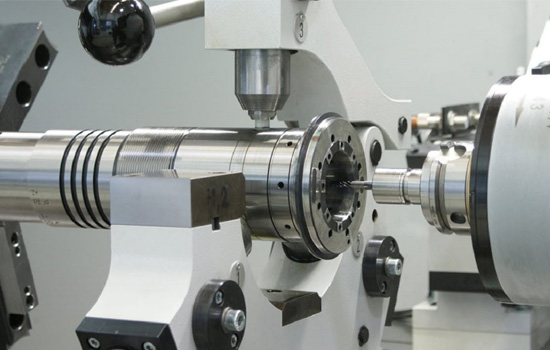
- Sheet metal is simply machined with a drill and lathe, or processes like rotating or milling.
Forming
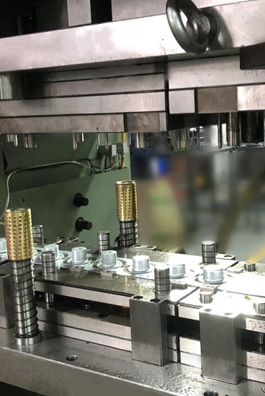
Forming is a sheet metal fabrication process where material is bent or deformed into a desired shape. As opposed to cutting, which involves subtracting material, forming reshapes the material without loss of material quality. The forming process includes stamping, bending, stretching and roll forming. Pressing and other methods use a set of dies to press a design drawing into the metal to form the desired shape.
Bending is accomplished by pressing (or sometimes by hand). Custom shapes, V-bends and U-bends can be created by this process.
Stretching, as the name implies, extends the length of the metal by pulling it apart without separating it. Various methods include:
- By stretching, which is a mechanically operated tool that slowly pulls the metal apart.
- Hammer and dolly, when an object is placed behind the metal and the hammer strikes the opposite side, causing the surface area of the metal to expand and eventually stretch.
- The English wheel, an anvil-like metalworking tool that stretches the metal and creates compound curves.
At GLORY Machinery we specialize in custom sheet metal fabrication services utilizing quality materials such as aluminum, stainless steel and galvanized steel so that your product will last for years to come under any conditions you require it to withstand! Contact us today for more information about our custom sheet metal fabrication services!


If you have any inquiry,please contact: