
What custom metal fabrication techniques increase overall value?

Value is the main difference between a standard metal fabrication project and a custom solution. Every custom metal fabrication project inevitably begins with research to evaluate the appropriate materials and methods to cost-effectively produce each unique fabrication design.
From design to delivery, the custom metal fabrication process is designed to produce longer-lasting, quality results that provide long-term value, whether it's a small metal part or a large custom project.
Establishment of design intent
The design of a metal fabrication project is critical to achieving the desired outcome, which is to add value. A full-service fabricator can use a standard plan or engineering drawing to complete a detailed design that will achieve the desired results for even the most complex projects. This may require refining and testing the design against industry-specific requirements or regulations, and identifying all required components as part of the final project.
Metal Cutting and Forming
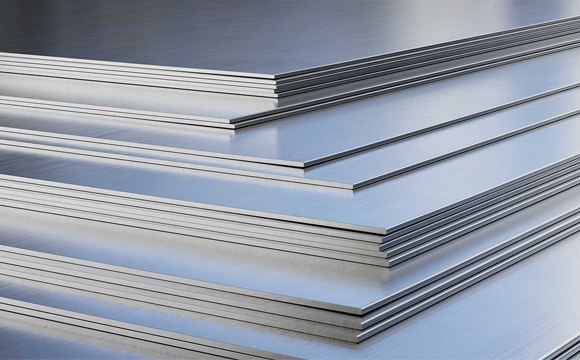
Before beginning the cutting process, metal fabricators must evaluate which method is appropriate for the type and thickness of metal. Laser cutting is an effective option for delicate metal products or heavy steel plates that require tight tolerances. On the other hand, lasers are not ideal for metal composites or materials with impurities.
Forming of metals may require bending, rolling plates and angles or punching. Choosing the right machine to achieve the desired results is critical. The success of metal forming is based on selecting the correct machine to perform the task. A full-service metal fabricator may have the necessary equipment in-house, which can save time and resources.
Custom Welding Capabilities and Assembly
Custom welding and assembly techniques can ensure that each project meets specific industry standards. A custom fabricator with certified welders and a strong quality control program is more likely to meet the requirements of an industry that adds value.
In addition to this, all components and subassemblies should be tested together to ensure that the final manufacturing project functions as intended. Ideally, the entire assembly process should be documented as part of the fabricator's structured quality control practices.
Manufacturing components should be shipped in the most complete form possible, while large items should be shipped in large subassemblies for rapid assembly upon arrival. This approach can greatly reduce project time and labor costs.
GLORY Machinery Equipment is a leading sheet metal fabrication manufacturer in China with years of experience in the field. We provide custom sheet metal fabrication services for a wide range of products and industries. Contact us today for more information!

If you have any inquiry,please contact: